Natural Approaches to Men's Wellness and Self-Care
Practical insights for vitality at any life stage
Supporting Your Well-being Across Life Stages
Men's wellness needs evolve across different life stages. While fundamental principles—balanced nutrition, quality sleep, regular movement, and stress management—remain constant, the specific approaches and priorities may shift. This section explores how to adapt natural wellness practices to support vitality throughout a man's life.

Building Strong Foundations
The habits established in younger years create the foundation for lasting wellness. Developing consistent practices around sleep, nutrition, exercise, and stress management in your 20s and 30s supports health trajectories that continue into later decades.
Even small, consistent improvements in these areas—regular physical activity, adequate sleep, balanced meals, and stress management—accumulate into significant health benefits over time. Focus on creating sustainable habits rather than dramatic changes.
Wellness After 40: A New Perspective
Men after 40 often experience natural changes—recovery may take longer, energy levels may fluctuate, and maintaining strength requires intentional effort. Rather than viewing these changes negatively, understanding them helps men adapt their approaches to support continued vitality.
After 40, many men find that nutrition becomes increasingly important, sleep quality affects daily function more noticeably, and consistent exercise maintains strength and resilience. Stress management practices become more valuable as their benefits become clearer through experience.

Key Areas of Men's Self-Care
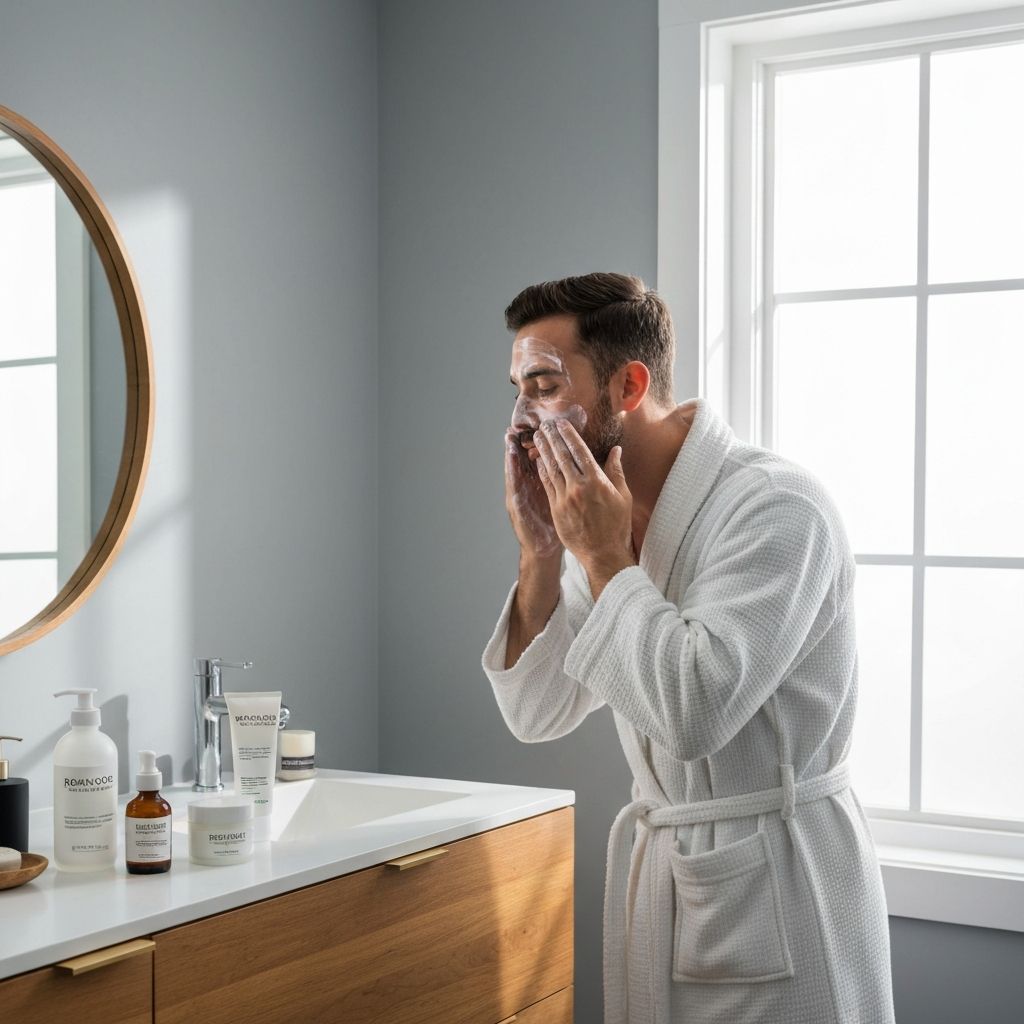
Skincare & Grooming
Consistent skincare maintains skin health and appearance. Simple routines—cleansing, moisturizing, and sun protection—support skin resilience. These practices are important for men of all ages but may need adjustment as skin changes with age.
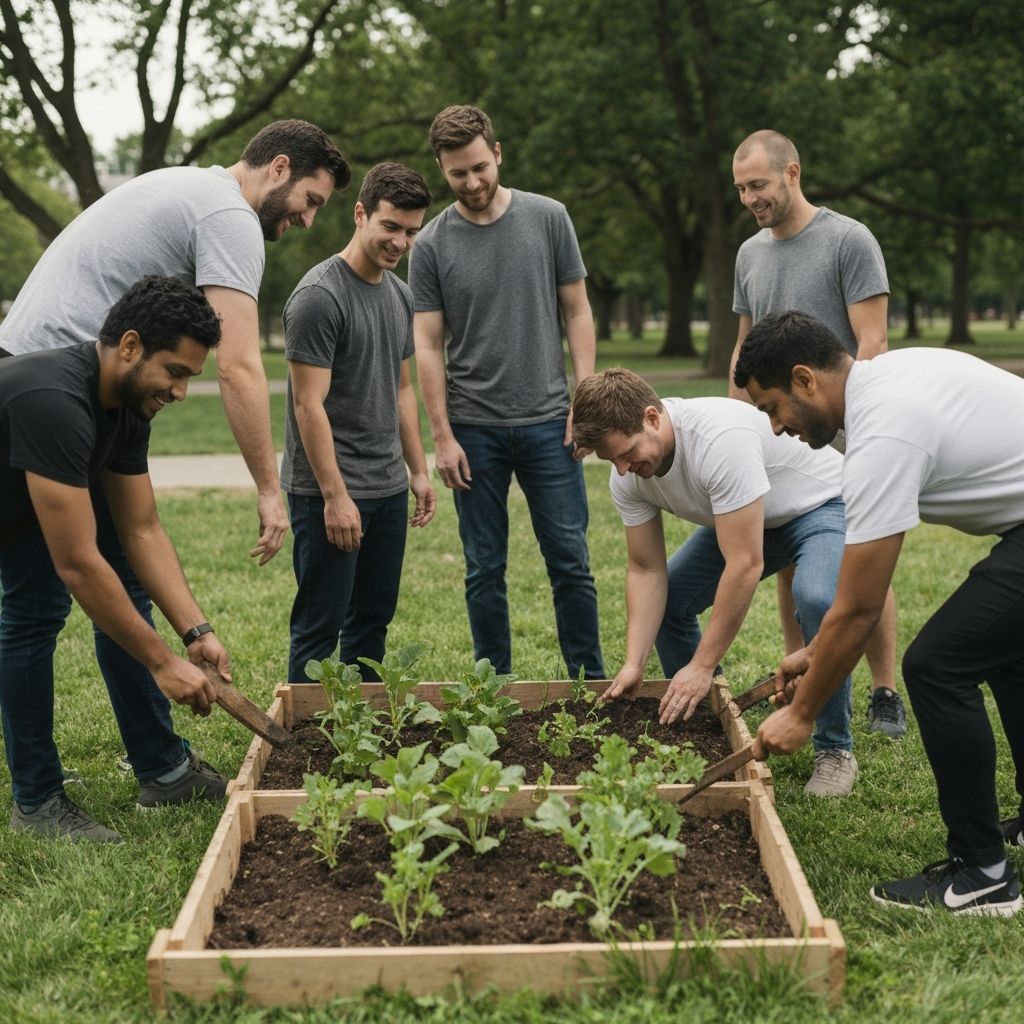
Physical Activity & Strength
Regular movement maintains muscle mass, bone strength, cardiovascular health, and mental clarity. The type and intensity of exercise should match individual fitness level and health status. Consistency matters more than intensity.

Flexibility & Recovery
Stretching, yoga, and flexibility work improve joint health and reduce injury risk. As men age, maintaining flexibility becomes increasingly important for continuing active pursuits and daily movement comfort.
Nutrition for Different Life Stages
In Your 20s and 30s
Early adulthood is an ideal time to establish solid nutritional habits. Focus on:
- Building knowledge about balanced nutrition
- Establishing consistent eating patterns
- Incorporating diverse whole foods
- Understanding how nutrition affects energy and performance
After 40 and Beyond
Mature years benefit from adjusted nutritional focus:
- Ensuring adequate protein for maintaining muscle mass
- Supporting cardiovascular health through nutrition
- Maintaining proper hydration and nutrient absorption
- Adjusting portion sizes and meal timing as metabolism changes
Mental Wellness and Emotional Health
Physical wellness and mental health are inseparable. Men's emotional and mental wellness involves:
Stress Management
Chronic stress impacts physical health, sleep, digestion, and immune function. Effective stress management practices include meditation, breathing exercises, physical activity, time in nature, and social connection. Finding what works personally and practicing consistently provides lasting benefits.
Sleep and Recovery
Quality sleep is fundamental to mental health, emotional resilience, and physical restoration. Prioritizing consistent sleep schedules, creating restful environments, and limiting evening screen time support better sleep. Sleep needs remain important throughout life.
Botanical Support Throughout Life
Various botanical ingredients have historical uses and modern research supporting their properties for men's wellness. While individual responses vary greatly, understanding botanical options provides knowledge for informed discussions with healthcare providers.
Key considerations when exploring botanical approaches:
- Individual differences: What supports one person may not work for another
- Medical consultation: Essential if taking medications or having health conditions
- Quality and sourcing: Important factors in effectiveness and safety
- Consistency: Regular use over time typically necessary for noticeable support
- Complementary approach: Works best alongside proper nutrition, sleep, and exercise
Creating Your Personal Wellness Routine
Sustainable wellness comes from creating routines that fit your life and preferences. Consider these steps:
Start Simple
Begin with one or two changes rather than overhaul your entire routine. Small, consistent improvements accumulate into significant changes over time.
Make It Sustainable
Choose practices you actually enjoy and can maintain long-term. Sustainability matters more than intensity.
Track Progress
Notice how changes affect your energy, sleep, mood, and overall well-being. This reinforces motivation and helps identify what works best for you.
Seek Professional Guidance
Healthcare providers, nutritionists, and fitness professionals can provide personalized recommendations based on your individual circumstances.
Important Reminder
This information is educational only and not medical advice. Before making significant changes to your diet, exercise routine, or wellness practices—especially if you have health conditions, take medications, or are over 40—consult with qualified healthcare professionals.
Ready to Explore More?
Discover specific topics and deepen your knowledge about natural approaches to wellness